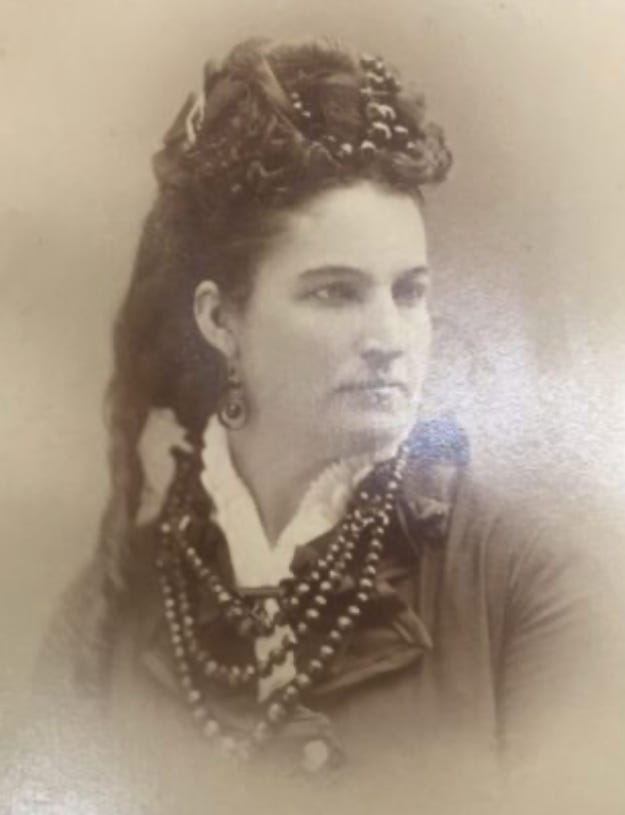
Anastasia (Flannery) Patten was the Irish-born wife of Edmund Patten, one of the successful pioneer silver miners of “Gold Hill,” Nevada. After Edmund died of typhoid fever in 1872, Anastasia, now a very wealthy widow, took her five daughters Augusta, Mary, Josephine, Edythe and Helen “Nellie” to Europe for eight years. In 1885, she decided to move Washington to introduce her now sophisticated and Continental daughters to society. This was not a cold move, as she knew many of her husband’s associate silver minors from Nevada, known as the “Silver Kings,” who had moved to Washington in the 1870s and included among others William Morris Stewart, often referred to as the “Silver Senator,” and Curtis Hillyer, the Silver King lawyer.
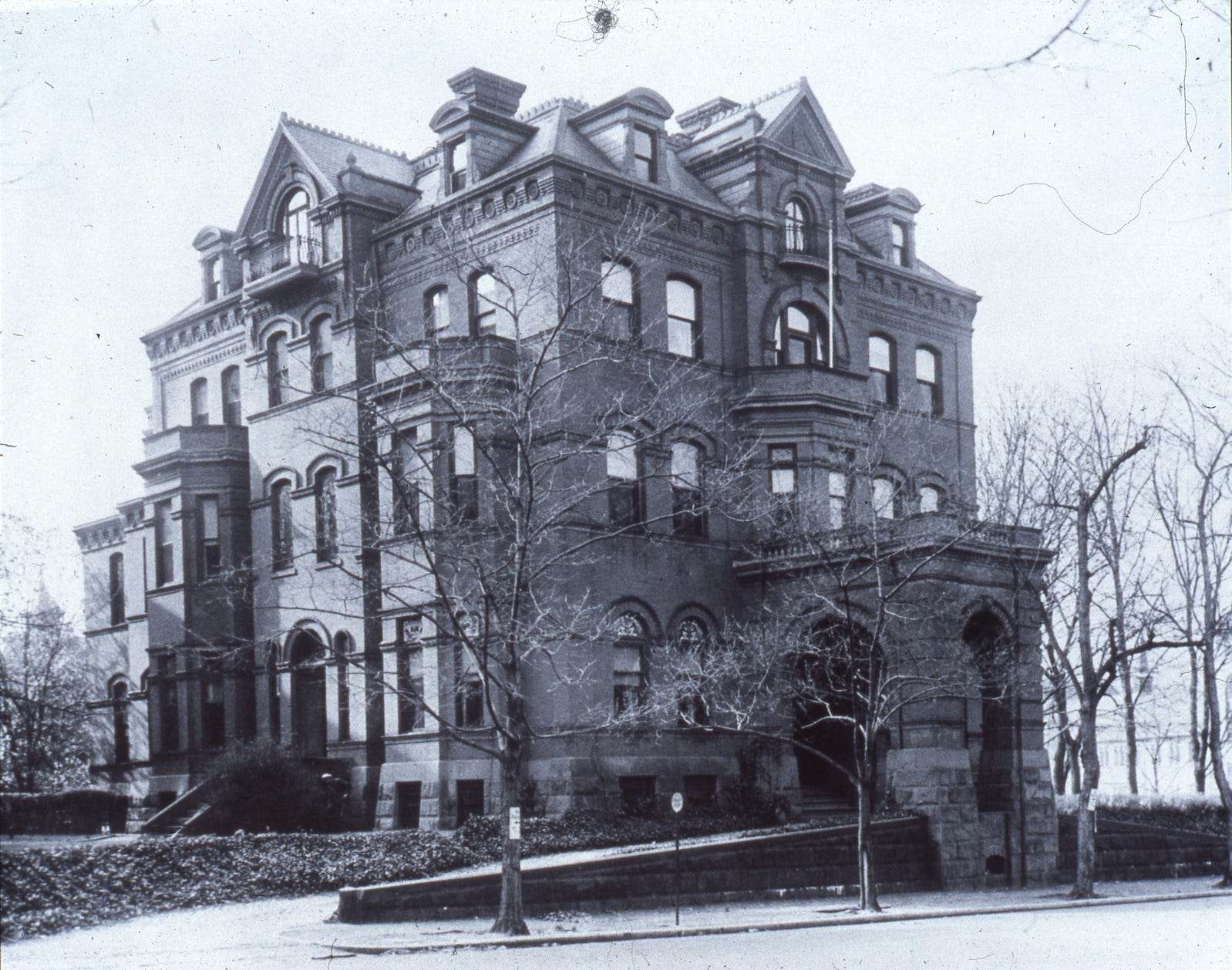
Anastasia bought several lots on Massachusetts Avenue, a block west of Dupont Circle and across the street from family friend from Nevada, Curtis Hillyer. She then contracted architect Robert Fleming, who had built Hillyer’s house, to build her a very large house. When completed, the house at 2122 Massachusetts Avenue had cost Anastasia more than $70,000 (over $2.3 million in 2025). Even though she was extremely rich, Anastasia was also known to be very frugal and sued Fleming for an unaccounted for $30,000 in the construction of the house.
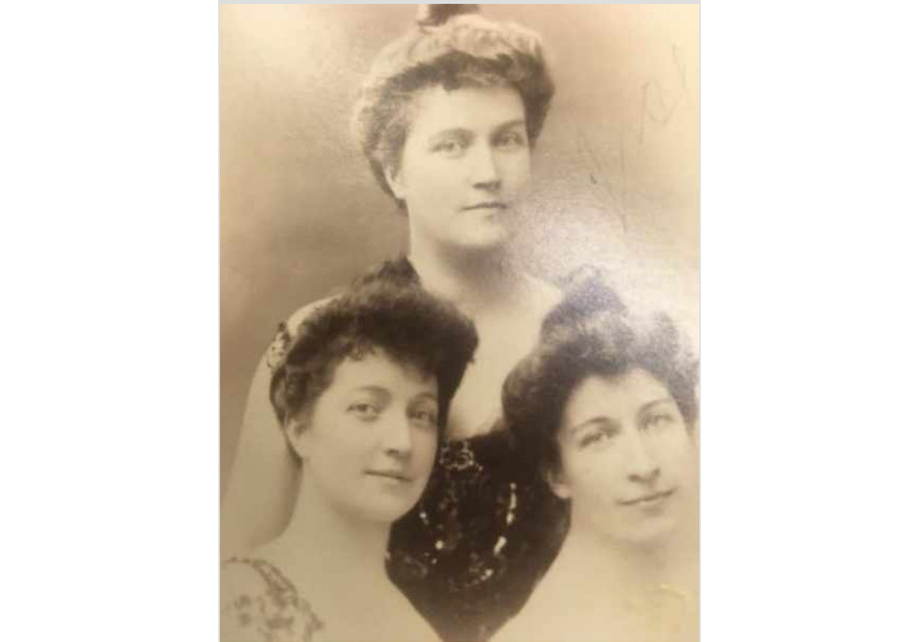
As soon as they had settled in their new home, the sisters made it a point to get to know everybody in society. They went everywhere, no two of them ever attending the same event to ensure that one Patten would be at every social gathering. The sisters seemed to be interchangeable socially, with society pages daily listing the events attended by “Miss Patten,” but rarely, if ever, saying which one. Once back home, they would compare notes to make sure they were all equally up to date with the latest gossip. This led to the saying, “if you want any news in Washington, there is the telephone, telegraph, and the “tele-Pattens.”
Only two of the daughters, Augusta and Edythe, would ever marry. Katherine Augusta was the first to wed in 1887 to Missouri representative John Milton Glover. The wedding was held in the Pattens’s home chapel and the newlyweds then moved into the house with the rest of the family.
Anastasia Patten died in Portland, Maine in September 1888 at the age of only 44. She had gone to the Maine coast for health reasons, but once there, her health rapidly declined. Her remains were returned to Washington for a funeral at St. Matthew’s Cathedral before being sent to San Mateo, California for internment next to her husband in a mausoleum she had erected over his body. Friend and neighbor and Senator William Stewart served as one of the pall bearers.
Anastasia’s death caused a serious breach between Augusta and her sisters that was never mended. John Glover and Augusta sued the other sisters for Augusta’s share of her parent’s inheritance. But the sisters claimed that Augusta already received her share as Anastasia had already given Glover $100,000. Glover argued that it was simply a marriage gift and did not represent his wife’s share of the estate. The sisters demanded that the Glovers move out of the house. The legal battles went on for years and ended only when the other sisters agreed to pay Augusta $25,000 each to relinquish any further claims on their mother’s estate, but this by no means was equivalent to the amount she was originally due to inherit, which would have been no less than $1,000,000. The Glovers eventually found themselves in New York, where John then retired from political life.
The Patten house came to be known as the “Irish Embassy” or the “Irish Castle” because of the sisters’ devout Irish nature and devotion to Catholicism. They had a private chapel in the house built where priests would come to celebrate Mass for the sisters.
Sunday afternoon teas at the Patten home were the talk of the town, especially with the diplomatic set to whom the sisters catered. Jules Cambon, the French ambassador, referred to the remaining sisters in the house as Quatre Pattes—the four legs.
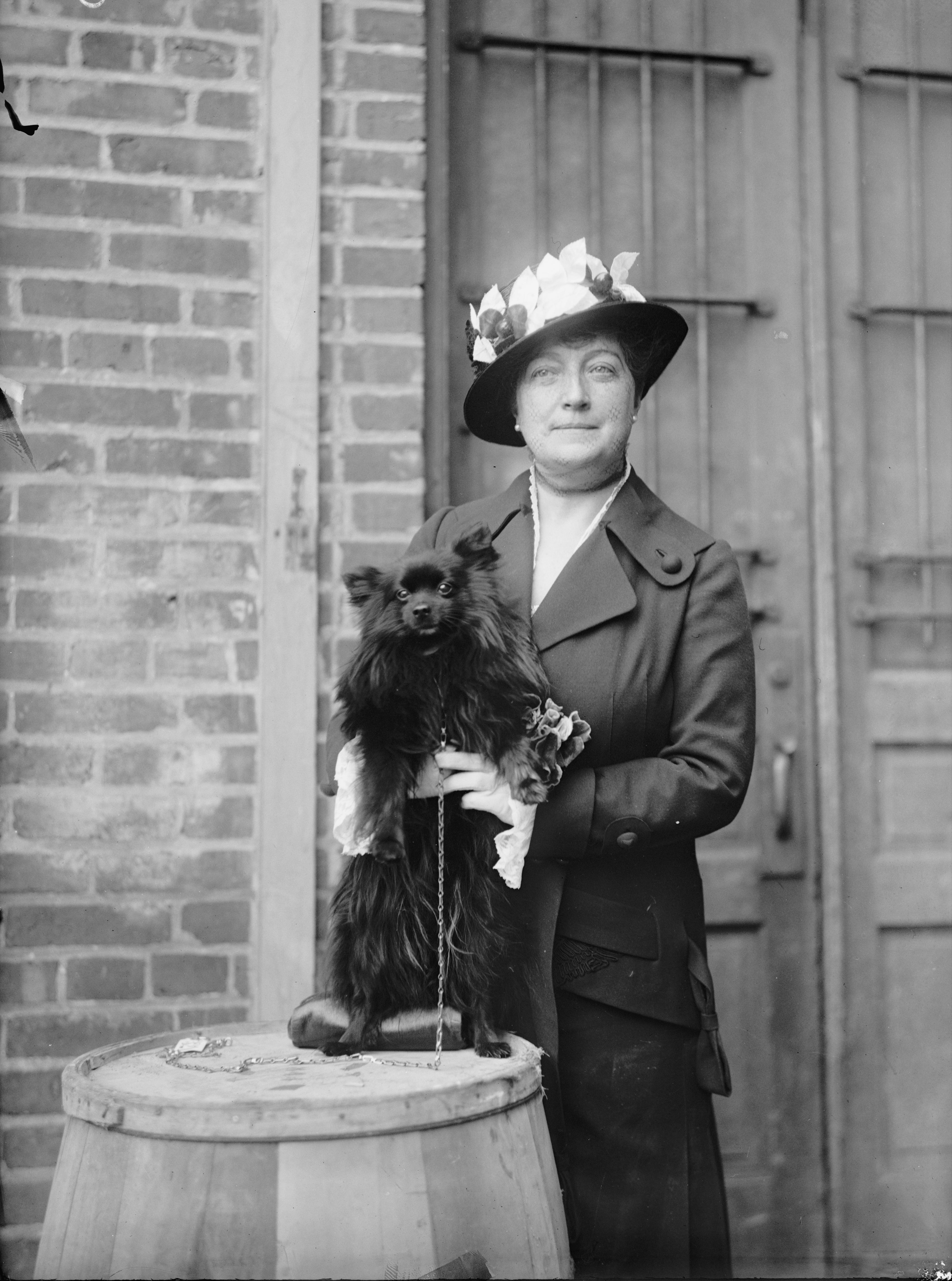
In 1901, Edythe Agnes Patten, with a pending $700,000 inheritance, married Civil War veteran Major General Henry Clarke Corbin. Corbin was a fifty-nine-year-old widower with three children, and Edythe was already well into her thirties. According to her mother’s will, Edythe could not get possession of her share of the inheritance without the consent of her three sisters, which they gave. Five years prior to this engagement, Edythe had been engaged to another gentleman; however, even with the wedding date already announced, her sisters did not give their consent, and the engagement was broken off.
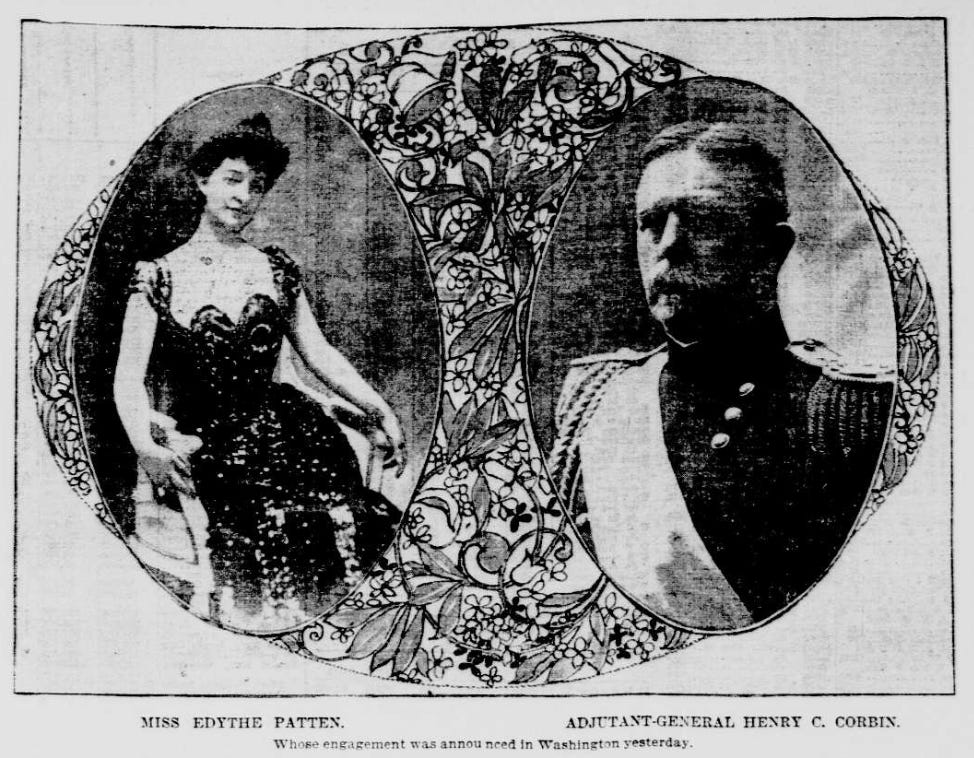
Widely covered by the press across the country, Edythe’s wedding ceremony was officiated by Cardinal Gibbons in the elaborately decorated drawing room in the Patten home. The three other sisters were Edythe’s only family present. The wedding guests included President Roosevelt, his daughter Alice, representatives of the official and diplomatic corps, and local society.
In 1905, the Corbins travelled to the Philippines with William Howard Taft’s Second Philippine Commission to establish a civilian government. Once there, Corbin took command of the Division of the Philippines— the core U.S. infantry division of the United States Army's Philippine Department.
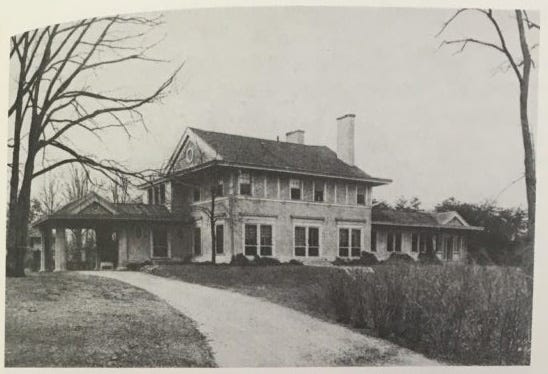
After Corbin retired, the couple moved to their newly built house at 1701 Twenty-second Street Northwest, only an few blocks away from Edythe’s sisters, and spent the weekends at Highwood, Corbin’s new country house in Chevy Chase, DC that was designed by Corbin’s close friend and famed Chicago architect Daniel Burnham and completed in 1907. The Corbins had one daughter, also Edythe, who would become a prominent member of the next generation of young Washington socialites.
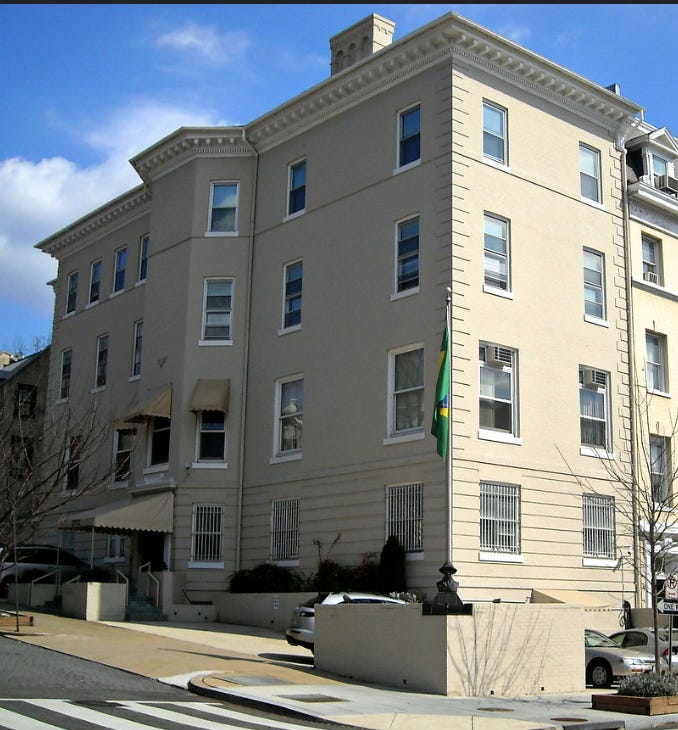
Henry Corbin died in 1909, and Edythe leased out both the downtown and the Chevy Chase houses and moved back in with the three sisters still living in the Massachusetts Avenue house.
In 1911 rumors swirled that Edythe was to marry millionaire financier and Taft supporter J.G. Schmidlapp whom she had met on the 1905 trip to the Phillipines. The engagement supposedly was to be announced at a reunion of the passengers of the Philippine trip at the Boardman mansion in DuPont Circle, but Edythe ended up not attending the event and the announcement was never made. One might wonder if the sisters did not give their consent again this time.
In 1934, Nellie Patten applied for a zoning change to be able to convert the property at 2122 Massachusetts Avenue into an apartment building. Larz Anderson, whose property next door was considered to be the most valuable in the neighborhood at that time, opposed the conversion. Neighbors claimed that Massachusetts Avenue west of Twenty-first Street was still one of the few remaining “high-grade” streets within the limits of the old city of Washington. There was no particular demand for apartments in the neighborhood at that time and such a building would be a disgrace to the neighborhood. But Helen continued to push and by 1936 was now seeking to completely raze the house to allow for the construction of an apartment building on the site. By this time, neighbors were beginning to recognize that that stretch of Massachusetts Avenue was already a string of boardinghouses and now thought that a “high class apartment building” would not be so detrimental to the neighborhood. The D.C. Zoning Commission approved Helen’s request.
Yet the grand Patten mansion and lot did not sell, and the old spinster sisters Mary, Josephine, and Helen continued on in the house, still hosting their high teas. Mathilde Townsend, now Mrs. Peter Goelet Gerry, would sometime make the trip across the street from the Townsend mansion to attend the teas and visit with her mother’s old friends.
By the time they finally sold the house in 1944, the Patten sisters were quietly living in a modest row house on the other side of Dupont Circle at 1726 Massachusetts Avenue.
Josephine died in 1945, and Nellie a year later. Edythe Corbin lived until 1959 when she died at the age of ninety.
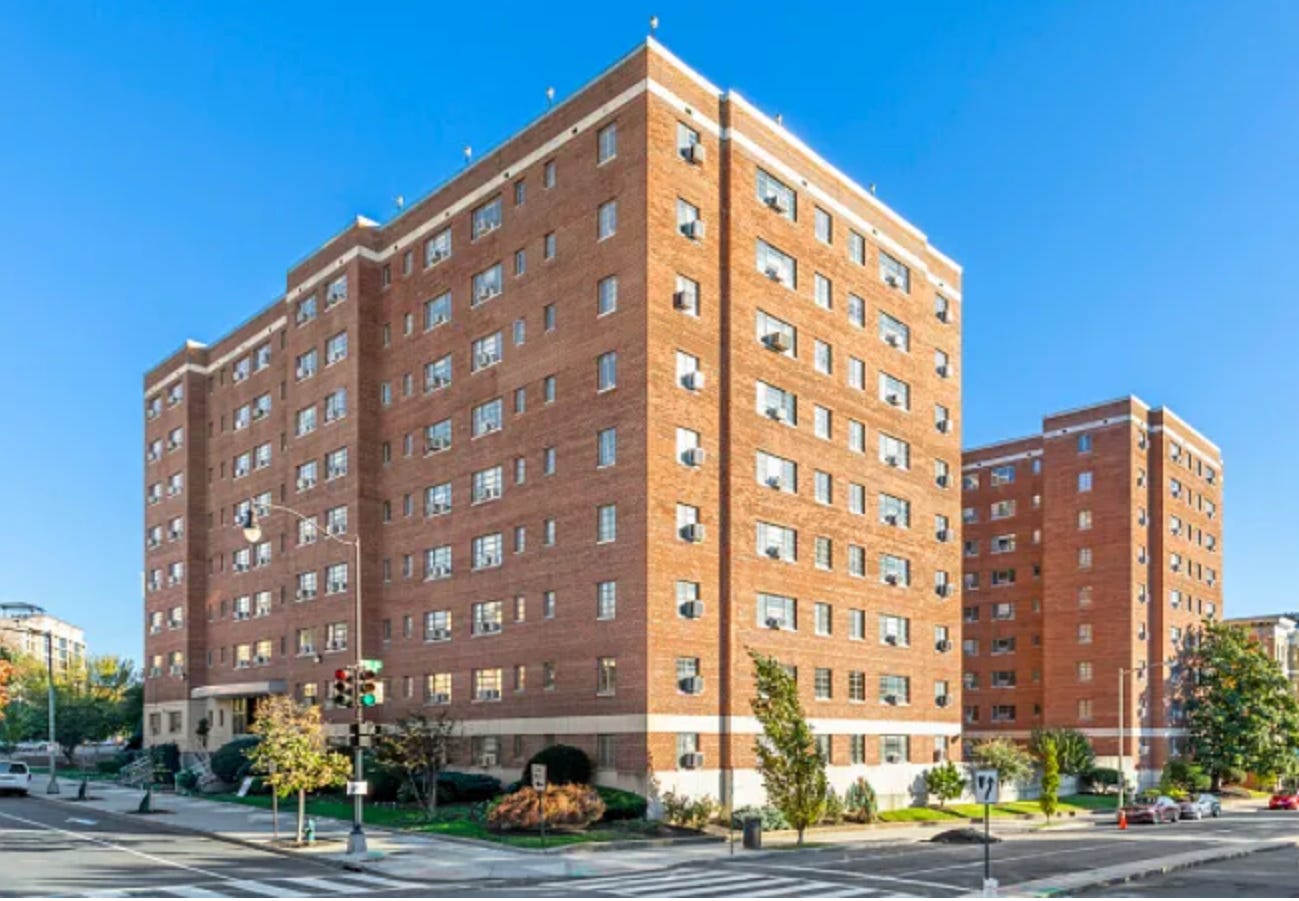
Four years after her death, Nellie finally got her wish to have an apartment building on the site of the Patten mansion. In 1950, construction began on a $1 million, 312-unit building that still stands on the site today. The old house was so solidly built that it took almost three months to completely tear it down.